If you're a small contractor or developer breaking ground on a project in Franklin County - or anywhere in Ohio - dust and sediment control probably isn't the first thing on your mind when you're trying to get a job done on time and on budget. In our humble opinion it should be, though!
It is, after all, one of the most common reasons construction sites end up with complaints, inspector visits, and ultimately fines that nobody budgeted for and nobody expected.
Most of these dust problems follow the same pattern. A project gets busy, the basics get skipped, something catches a neighbor's attention or triggers an inspection, and suddenly there's a compliance problem on a site that was otherwise running fine. Understanding what inspectors are actually looking for - and what tends to generate complaints about dust in the first place - goes a long way toward keeping your project moving without that kind of interruption.
What the Law Actually Requires
To understand why these fines happen, it helps to know what Ohio actually requires of construction sites (laws vary by state so if you aren’t in Ohio, make sure you check your state’s laws specifically!) Under the federal Clean Water Act, any construction project that disturbs one acre or more of land is required to obtain coverage under an NPDES Construction General Permit - in Ohio, that's administered through the Ohio EPA's Division of Surface Water. Part of obtaining that permit involves creating a Stormwater Pollution Prevention Plan, or SWPPP, which outlines how your site is going to manage runoff, dust, and sediment through the life of the project.
Ohio EPA requires SWPPP inspections at a minimum of once every seven calendar days, and within 24 hours after any rainfall event of half an inch or more. Civil penalties for unpermitted discharges can reach $10,000 per day per violation under Ohio law. That's not a number most small contractors can absorb without feeling it. The Ohio EPA's construction stormwater permit page is a good place to familiarize yourself with the actual requirements if you haven't already.
The Most Common Violations - And Why They Happen
The violations that show up most frequently on construction sites aren't complicated or obscure. They're the basics that get skipped when a project is busy and people are focused on other things.
Mud tracking onto public roads is probably the single most visible and complained-about issue on active construction sites. When trucks and equipment roll off a job site and onto a public street carrying mud and sediment on their tires, that material ends up in the road, in the gutter, and eventually in the storm drain system. Neighbors notice it. Passing drivers notice it. And inspectors notice it too. Controlling sediment tracking onto roadways has been identified as the most common stormwater deficiency on construction sites - which tells you how widespread and consistent this particular problem is across the industry.
A stabilized construction entrance takes care of this - essentially a pad of crushed stone at the point where equipment exits the site that dislodges mud from tires before they hit the public road. It's not an expensive solution, but it has to actually be maintained and replenished as it gets ground down over the course of a project. A stabilized entrance that's been neglected for three months isn't doing much for anyone.
Sediment reaching storm drains is the other main complaint when it comes to construction sites. When it rains on an active construction site with exposed soil and inadequate erosion controls, that loose sediment moves - and it moves toward the lowest point it can find, which is usually a storm drain inlet. Once sediment gets into the stormwater system it becomes a water quality issue, and water quality issues are exactly what the Clean Water Act permit program exists to prevent. Silt fences, inlet protection, and sediment basins all exist to stop this from happening, but they only work if they're installed correctly and maintained throughout the project - not just put in place at the start and forgotten about.
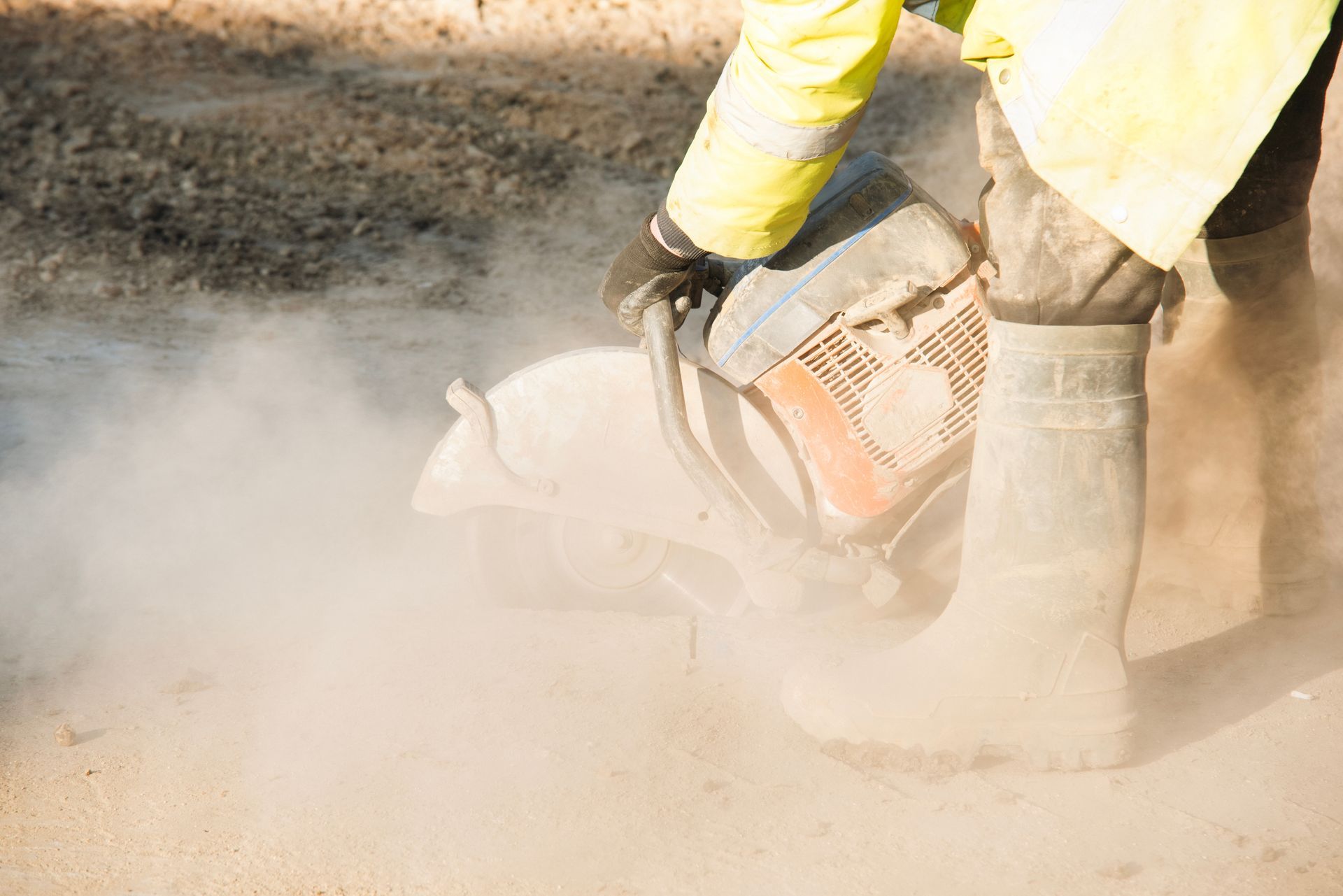
Dust that crosses property lines generates neighbor complaints faster than almost anything else on a construction site. Fine particles from grading, demolition, and excavation work drift beyond site boundaries and settle on neighboring properties, vehicles, and businesses. In most cases the neighbors aren't looking to cause problems - they just don't want a layer of construction dust on everything they own for the duration of your project. But, a complaint to the local health department or Ohio EPA can trigger an inspection visit, and an inspection visit on a site that isn't buttoned up can uncover other issues that wouldn't have come to anyone's attention otherwise. One complaint opens the door to being forced to face multiple concerns.
Failing to conduct required SWPPP inspections is another common problem, and it's one that's entirely paperwork-related. The work on the ground might be fine, but if you're not documenting your inspections on the required schedule - every seven days and within 24 hours of a qualifying rain event - you're out of compliance even if your site looks great. Inspectors will check the records, not just your site’s condition.
What to Do if You're Already Getting Complaints
Already getting complaints? You’ve come to the right place! If a neighbor has already complained or you've had an inspector on site, make sure that you address the specific issue immediately and document that you did so. DO NOT - we repeat - DO NOT - wait to see if it blows over. Inspectors look much more favorably on contractors who respond quickly and demonstrate good faith than on contractors who ignore complaints and hope for the best.
If mud tracking is the issue, get a stabilized entrance in place and sweep the affected road section right away - don't leave mud sitting on a public street while you figure out a longer term plan. If sediment has reached a storm drain, get it cleaned out and get your inlet protection upgraded before the next rain event. Speed matters here, and having a sweeping contractor you can call on short notice to clean up a road or construction entrance quickly is exactly the kind of resource that can be the difference between a warning and a fine.
Being Proactive Is Always Cheaper Than Reacting
The contractors who avoid fines and complaints aren't necessarily the ones doing the most sophisticated stormwater management - they're the ones who treat dust and sediment control as a routine part of running a job site rather than an afterthought. A stabilized entrance, maintained silt fences, protected storm drain inlets, regular sweeping of construction access roads, and documented SWPPP inspections on schedule will handle the vast majority of situations that get other contractors into trouble.
Site Sweep works with construction contractors and developers across Franklin County and throughout Central Ohio on construction site sweeping - from routine access road maintenance to on-call sweeping when you need a road cleaned up fast. Make sure to check out our Construction Sweeping services and our Service Area to see how we can support your project, or Contact Us to talk through what your specific site needs.
And don't forget - the best time to get your site in order is before the inspector's truck pulls up.. not after!